Services
A complete range of rehabilitation and wellness services for people of all ages.
Care that meets you where you are
Our team combines hands-on treatment, education, exercise, and collaborative care to help you recover, move better, and return to the activities that matter to you.
Physiotherapy
Our Unique Approach to Physiotherapy
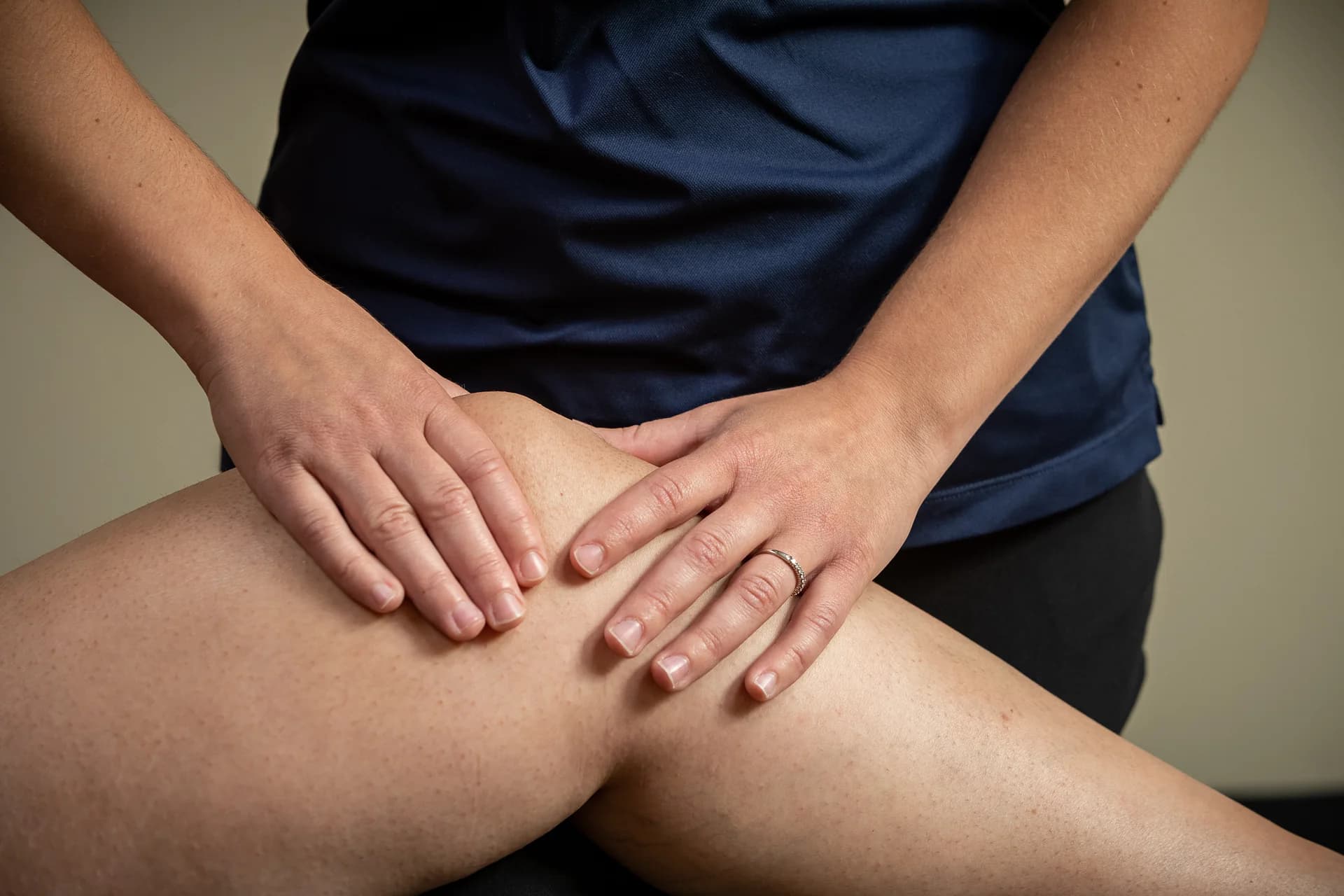
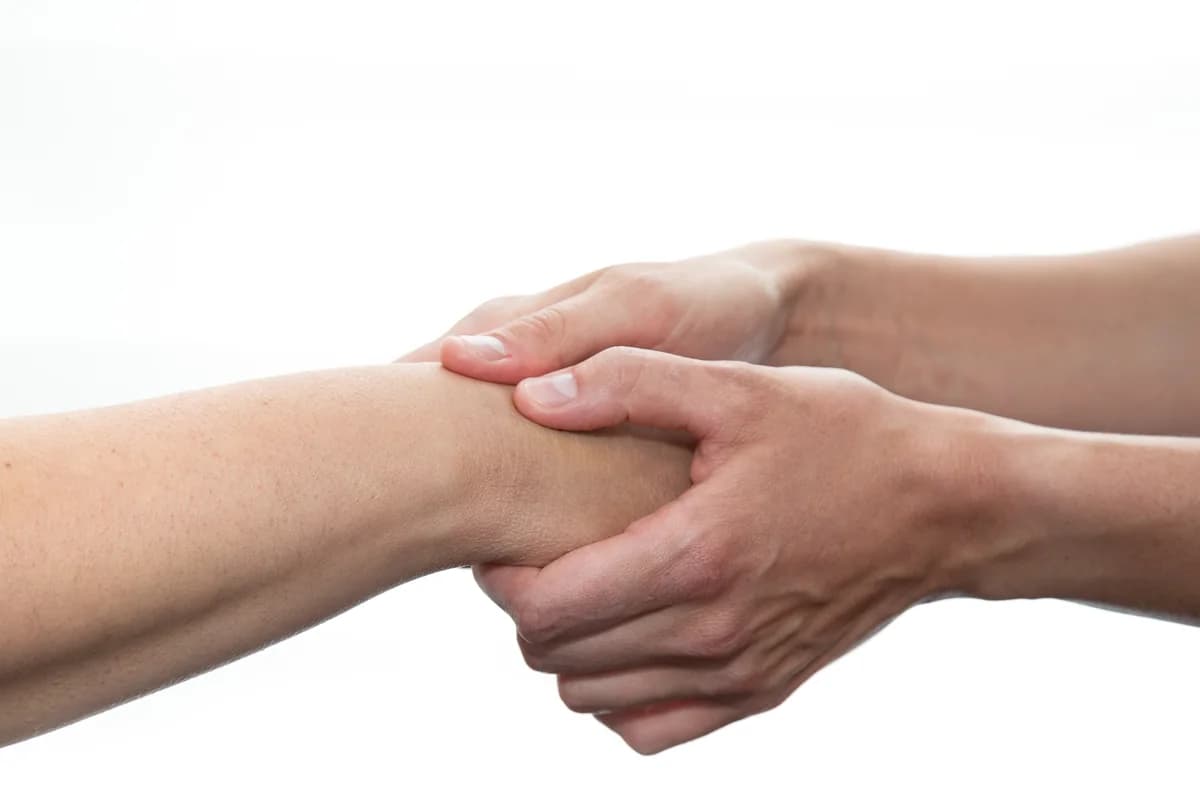
Our physiotherapists help you recover from injuries, surgeries, and acute or chronic conditions through personalized care, education and clear guidance throughout your rehabilitation.
Read more
Comprehensive assessment and personalized goals
Your physiotherapist takes the time to review your health history, listen to your concerns and understand how your condition is affecting your daily life. Together, you will establish meaningful goals—whether that means reducing pain, returning to work or sport, getting back to gardening, or simply moving with greater confidence.
Tailored treatment plans and one-on-one care
Your treatment plan is designed around your individual needs, goals and progress. Sessions are provided one-on-one with your therapist in private treatment rooms and may include education, hands-on treatment, targeted exercises and strategies you can use between appointments.
Ongoing support and collaboration
Your progress is reassessed throughout your rehabilitation so your treatment plan can evolve with you. When appropriate, we also communicate and collaborate with other members of your healthcare team to help provide coordinated care and support your recovery.
Acupuncture, Dry Needling & IMS
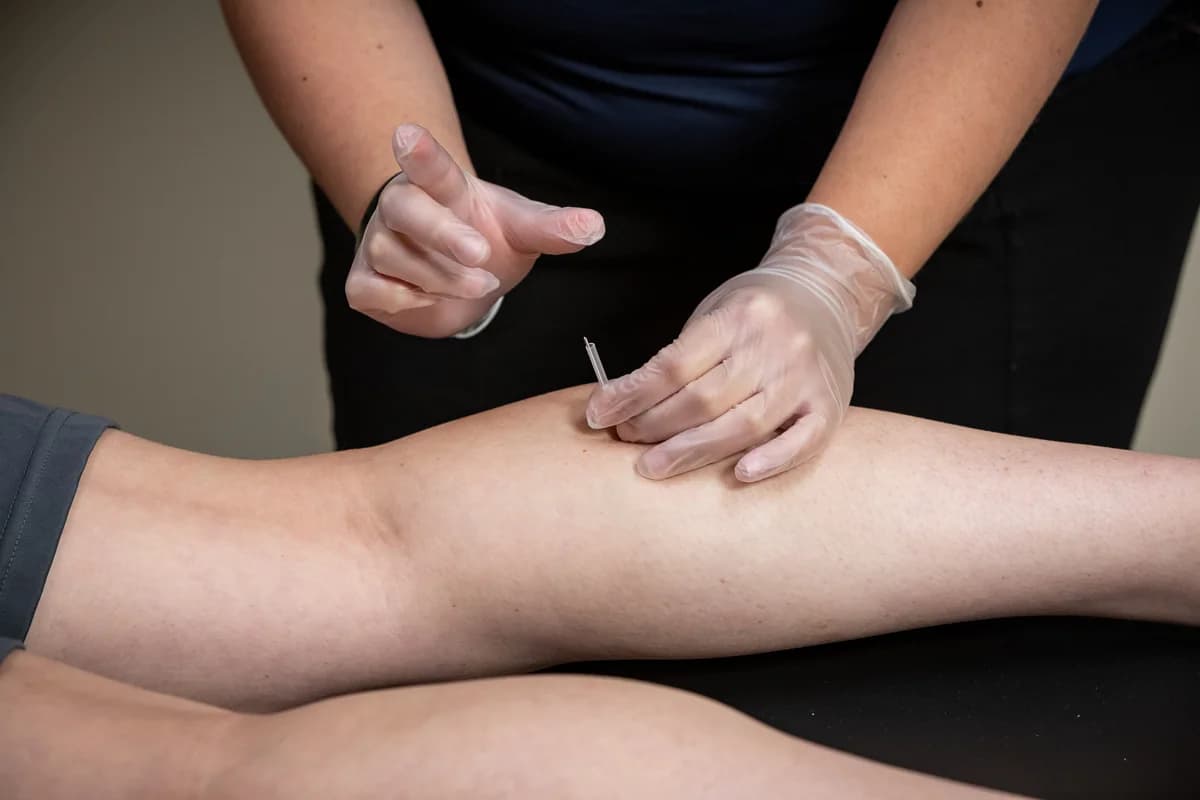
Acupuncture, dry needling and IMS (intra-muscular stimulation) use very fine, sterile, single-use needles. Your physiotherapist may include these techniques as part of your treatment to help decrease pain and muscle tension and make movement more comfortable.
Read more
Needling is typically combined with exercise, education and other physiotherapy treatments to support your rehabilitation goals.
Acupuncture
Acupuncture involves inserting very fine needles at specific points on the body. It can increase blood flow to the area being treated and influence the way pain signals are processed by the nervous system. It can also stimulate the body's natural pain-relieving systems, including the release of endorphins.
Together, these effects may help decrease pain, support the body's normal recovery process and make movement and exercise more comfortable.
Dry Needling & IMS
Dry needling targets muscles and other soft tissues that may be tight, sensitive or painful. The stimulation from the needle can affect muscle tension, increase local blood flow and influence how the nervous system processes pain.
You may feel a brief muscle twitch when a sensitive area is treated. Although dry needling is sometimes described as “releasing a muscle knot,” its effects involve both the muscle and the nervous system.
Intramuscular Stimulation (IMS) is a specific approach to dry needling. Your physiotherapist selects the muscles to treat based on findings from your assessment.
What should I expect?
Acupuncture needles are extremely thin, and many people feel very little during insertion. Dry needling may cause a brief twitch, ache or cramping sensation, and temporary soreness afterward is possible.
Your physiotherapist will discuss the treatment with you and answer your questions before proceeding. Acupuncture and dry needling are always performed with your consent.
Shockwave Therapy
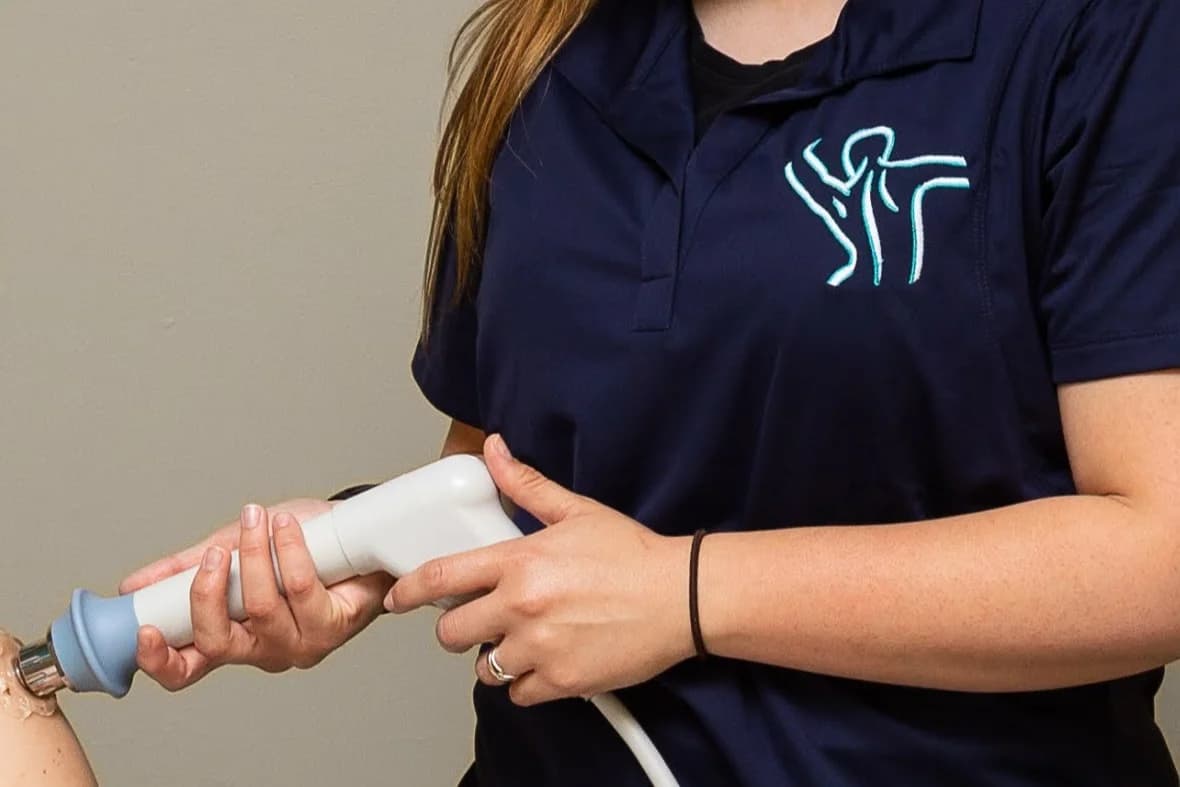
Shockwave therapy is a non-invasive treatment that uses acoustic pressure waves to stimulate a biological response in the tissues being treated. It is most commonly used for persistent tendon and other musculoskeletal conditions that have not responded fully to exercise or other treatments.
Read more
At Physio Plantagenet, we use radial shockwave therapy as part of a physiotherapy treatment plan when appropriate.
How does shockwave therapy work?
A hand-held applicator delivers repeated pressure waves to the targeted area. These waves stimulate the tissue and may increase local circulation, influence pain sensitivity and promote processes involved in tissue repair and remodeling.
Shockwave is not intended to replace exercise and rehabilitation. Instead, it can be used alongside an individualized exercise program to help reduce pain and improve your ability to load and strengthen the affected area.
What conditions can it help?
Shockwave therapy is commonly used for persistent conditions such as:
- Plantar fasciitis / plantar heel pain
- Achilles tendinopathy
- Tennis elbow
- Patellar tendinopathy
- Rotator cuff and shoulder tendinopathy
- Calcific shoulder tendinopathy
- Greater trochanteric pain syndrome (lateral hip pain)
Your physiotherapist will assess your condition to determine whether shockwave is appropriate for you.
What should I expect?
Treatment is typically performed once a week for approximately 5-7 sessions, depending on your condition and response to treatment. The shockwave portion of your appointment usually takes only a few minutes.
You will feel repeated tapping or pulsing over the treatment area. The intensity can be adjusted based on your comfort and tolerance.
Temporary soreness or tenderness can occur following treatment and generally settles on its own. Your physiotherapist will guide you on exercise and activity between treatments to help you get the most from your rehabilitation.
Visceral & Neural Manipulation
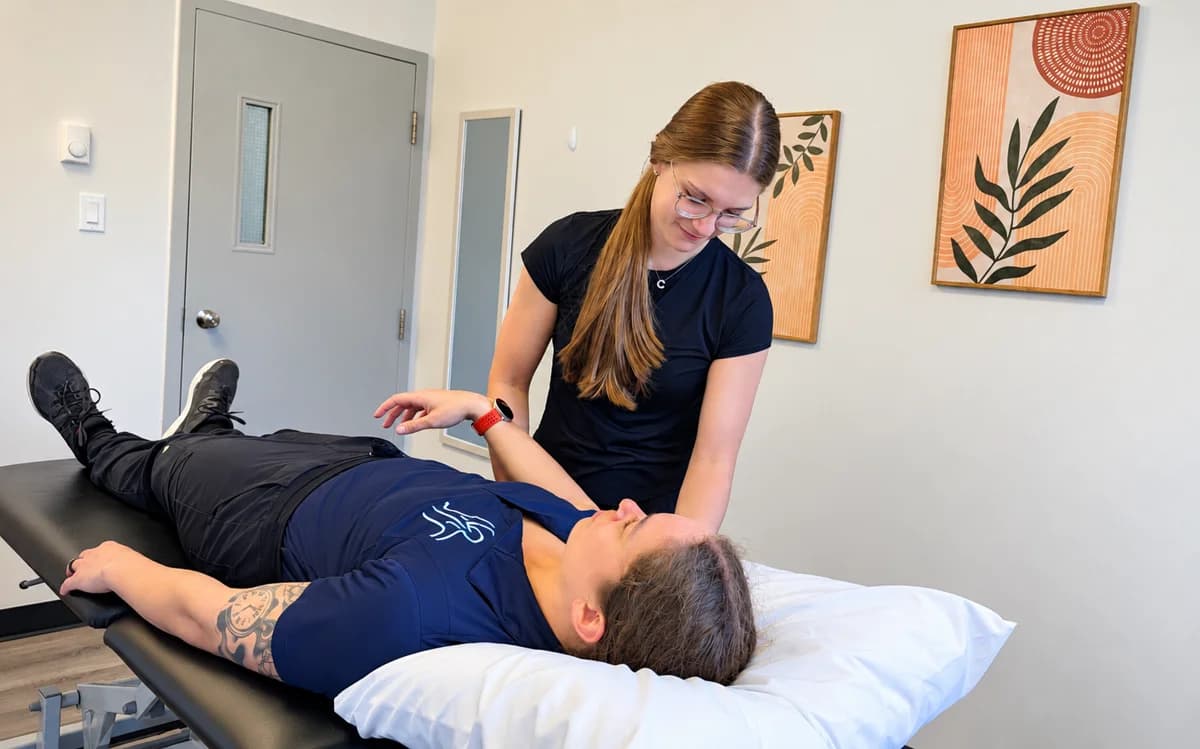
Visceral and neural manipulation are gentle manual therapy techniques that may be incorporated into physiotherapy treatment, particularly when pain or movement restrictions have been persistent or complex.
Read more
These techniques look beyond the immediate area of pain and consider how the mobility and sensitivity of surrounding tissues may be contributing to your symptoms.
Visceral manipulation
Visceral manipulation uses gentle hands-on techniques around the abdomen, ribs, pelvis and surrounding tissues. The therapist assesses areas of tension or restricted movement and applies light manual techniques with the goal of improving tissue mobility and decreasing sensitivity.
It may be used as a complementary technique alongside exercise, education and other physiotherapy treatments.
Neural manipulation
Nerves need to move and adapt as your body moves. Following injury, surgery or prolonged irritation, some areas along a nerve may become sensitive or less tolerant of movement.
Neural manipulation uses gentle manual techniques intended to improve the mobility of the tissues surrounding nerves and decrease sensitivity. It may be combined with specific exercises that encourage comfortable movement of the nervous system.
What should I expect?
These techniques are generally gentle and are adapted to your comfort and symptoms. Treatment may involve light pressure around the abdomen, ribs, spine, pelvis or other areas depending on the findings of your assessment.
Your physiotherapist will determine whether visceral or neural techniques may be appropriate as one part of your overall rehabilitation plan.
Pelvic Health and Family Care
Pelvic Floor Rehabilitation
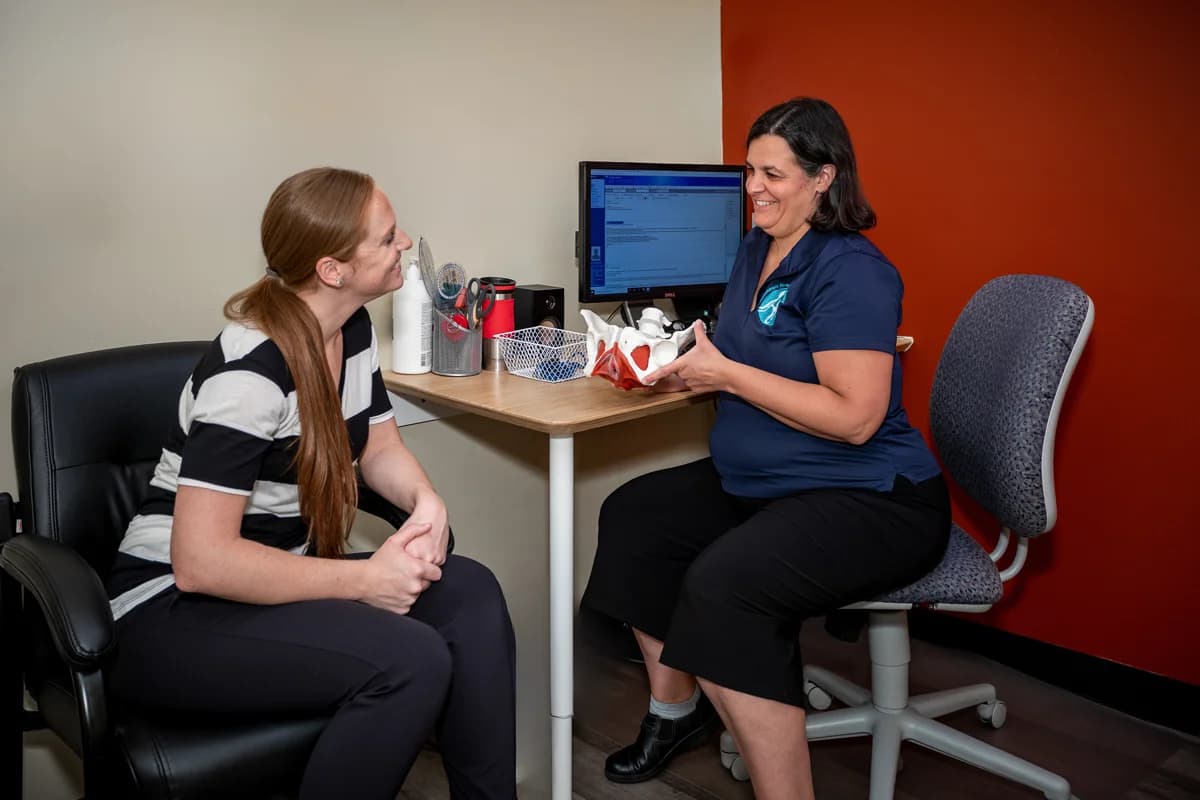
The pelvic floor is a group of muscles that supports the bladder, bowel and reproductive organs and plays an important role in bladder and bowel control, sexual function and pelvic stability.
Read more
Pelvic floor physiotherapy can help women and men experiencing pelvic health concerns. Treatment is private, individualized and focused on helping you better understand your symptoms, improve pelvic floor function and feel more confident in your daily activities.
Bladder and bowel concerns
Pelvic floor physiotherapy can help with:
- Urinary or bowel leakage
- Urinary urgency or frequency
- Difficulty emptying the bladder or bowel
- Constipation and straining
- Pain associated with urination or bowel movements
Treatment isn't always about strengthening. Depending on your symptoms, your pelvic floor muscles may need improved strength, endurance, coordination or the ability to relax.
Pelvic organs prolapse
Pelvic organ prolapse can cause sensations of pressure, heaviness or bulging in the pelvic area. Physiotherapy can help you understand and manage your symptoms through pelvic floor rehabilitation, exercise, education and strategies for everyday activities.
Pelvic pain and sexual function
Pelvic floor muscles that are painful, tense or poorly coordinated can contribute to pelvic pain and pain during sexual activity.
Treatment can address pelvic floor muscle tension and function and may include education, exercises, relaxation strategies and hands-on treatment when appropriate.
What does pelvic floor physiotherapy involve?
Your first appointment begins with a detailed discussion about your symptoms, health history and goals. Your physiotherapist will explain the assessment and treatment options and work with you to develop an individualized plan.
An internal pelvic floor examination may be recommended because it can provide valuable information about muscle strength, tension, coordination and function. An internal examination is never performed without your informed consent, and you can decline or stop any part of the assessment or treatment at any time.
Our goal is to provide a comfortable and respectful environment where you can discuss pelvic health concerns openly and receive care that is tailored to you.
Pregnancy & Postpartum Physiotherapy
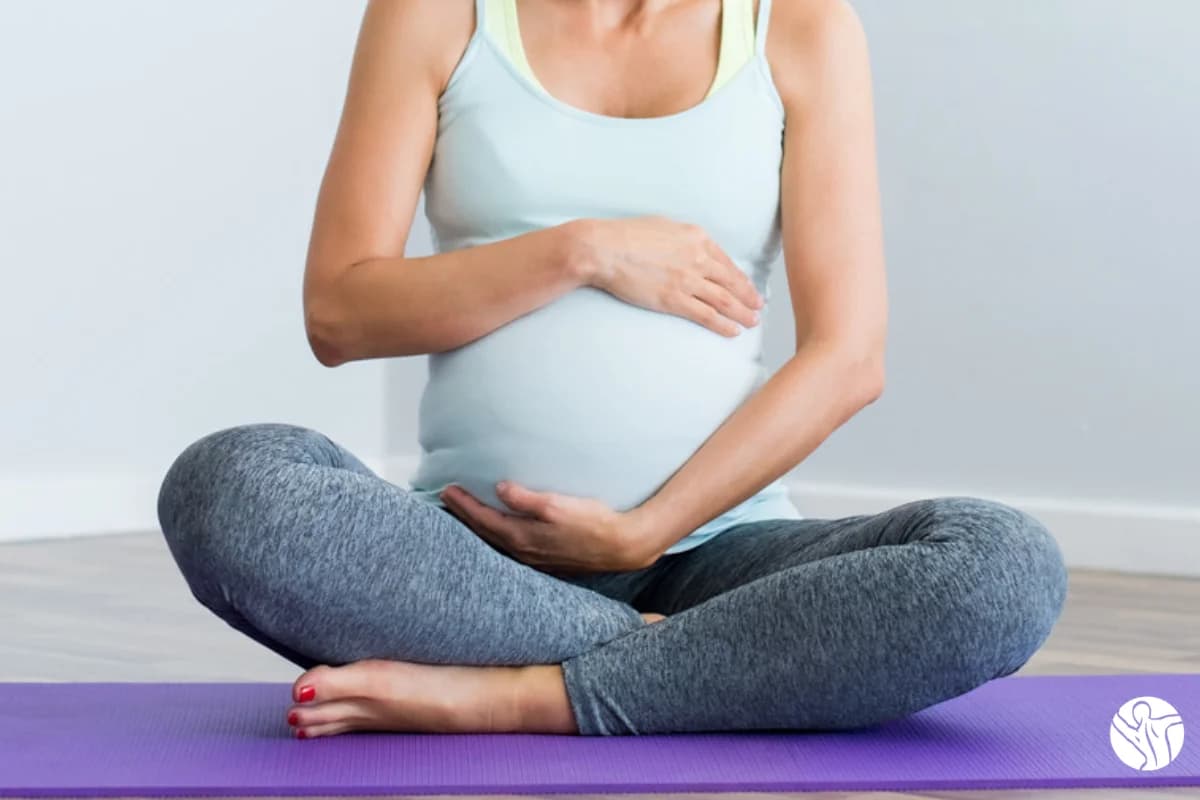
Pregnancy, delivery and the postpartum period bring significant changes to your body. Physiotherapy can help you stay comfortable and active during pregnancy, prepare your body for delivery, manage pelvic floor concerns and guide your recovery after your baby is born.
Read more
Our approach is individualized to your symptoms, your pregnancy or delivery experience, and the activities you want to return to.
Preparing for labour and delivery
Pelvic floor physiotherapy during pregnancy can help you better understand your pelvic floor and prepare for labour and delivery. Treatment may include learning how to relax and coordinate the pelvic floor, positioning and movement strategies for labour, and preparation of the pelvic floor tissues for a vaginal delivery.
We can also help you prepare for a planned caesarean section and understand what to expect during your recovery.
Managing pregnancy-related symptoms
Pregnancy can place new demands on your muscles, joints and pelvic floor. Physiotherapy can help manage:
- Low back, pelvic girdle, hip and pubic pain
- Urinary or bowel symptoms
- Pelvic pressure or heaviness
- Pelvic floor pain
- Changes in mobility and exercise tolerance
Treatment may include education, exercise, hands-on treatment and strategies to help you remain active and comfortable throughout your pregnancy.
Postpartum recovery
Whether you deliver vaginally or by caesarean section, your body needs time to recover. Postpartum physiotherapy can assess your pelvic floor, abdominal wall, strength and movement and help address concerns such as:
- Urinary or bowel leakage
- Pelvic pressure or symptoms of prolapse
- Pelvic or abdominal pain
- Pain with intercourse
- Cesarean scar recovery
- Diastasis recti (abdominal separation)
- Weakness or difficulty returning to exercise
Returning to exercise and activity
Returning to activity after pregnancy is different for everyone. We can help you progressively rebuild strength, endurance and confidence for the activities you enjoy—from everyday exercise to running, weight training and higher-impact sports.
Our goal isn't simply to get you back to exercise, but to help you feel strong, comfortable and confident as you return to the activities that matter to you.
Paediatric Physiotherapy
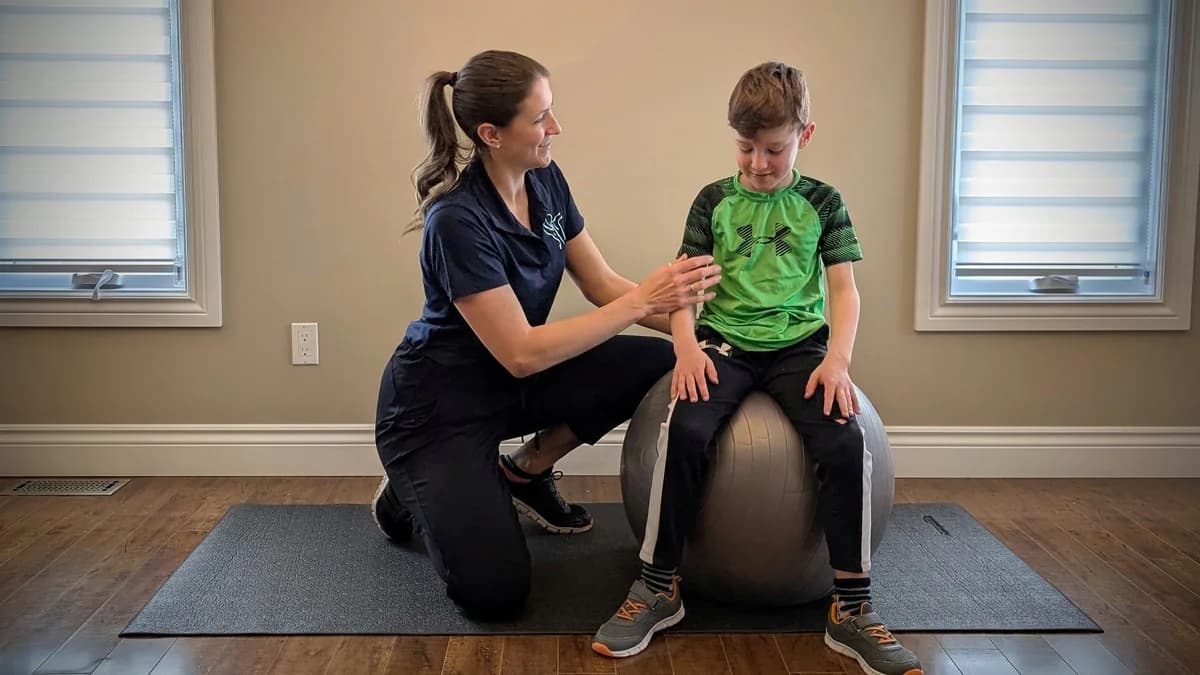
Children can experience many of the same muscle and joint problems as adults, while infants may require physiotherapy for concerns that arise during their early development.
Read more
At Physio Plantagenet, our paediatric physiotherapy services focus primarily on infant torticollis and plagiocephaly, as well as musculoskeletal and sports injuries in children and adolescents. Treatment is adapted to your child's age, needs and comfort level.
Torticollis
Infant torticollis occurs when a baby develops a preference for turning or tilting their head in one direction, often because of tightness or differences in strength in the neck muscles.
Physiotherapy can assess your baby's neck movement, strength, positioning and overall movement patterns. Treatment may include gentle exercises, stretches, positioning strategies, tummy time and practical advice for parents to incorporate into everyday activities.
Plagiocephaly
Plagiocephaly refers to flattening or asymmetry of a baby's head shape. It can occur alongside torticollis when a baby consistently prefers to position their head in one direction.
Your physiotherapist can assess factors that may be contributing to the head shape and provide strategies to encourage movement in different directions, improve neck mobility and reduce prolonged pressure on the same area of the head.
Musculoskeletal and sports injuries
As children grow and become more active, injuries can happen during sports, recreation or everyday activities. We assess and treat a variety of muscle and joint concerns in children and adolescents, including:
- Sprains and strains
- Muscle and tendon injuries
- Joint pain and injuries
- Sports-related injuries
- Pain associated with activity or growth
- Recovery following fractures or immobilization
- Return to sport and physical activity
Treatment is individualized and may include education, exercises, hands-on treatment and a gradual return to activity.
Our goal is to help your child move comfortably and confidently and get back to being active.
Concussion, Balance and Jaw Care
Concussion Management
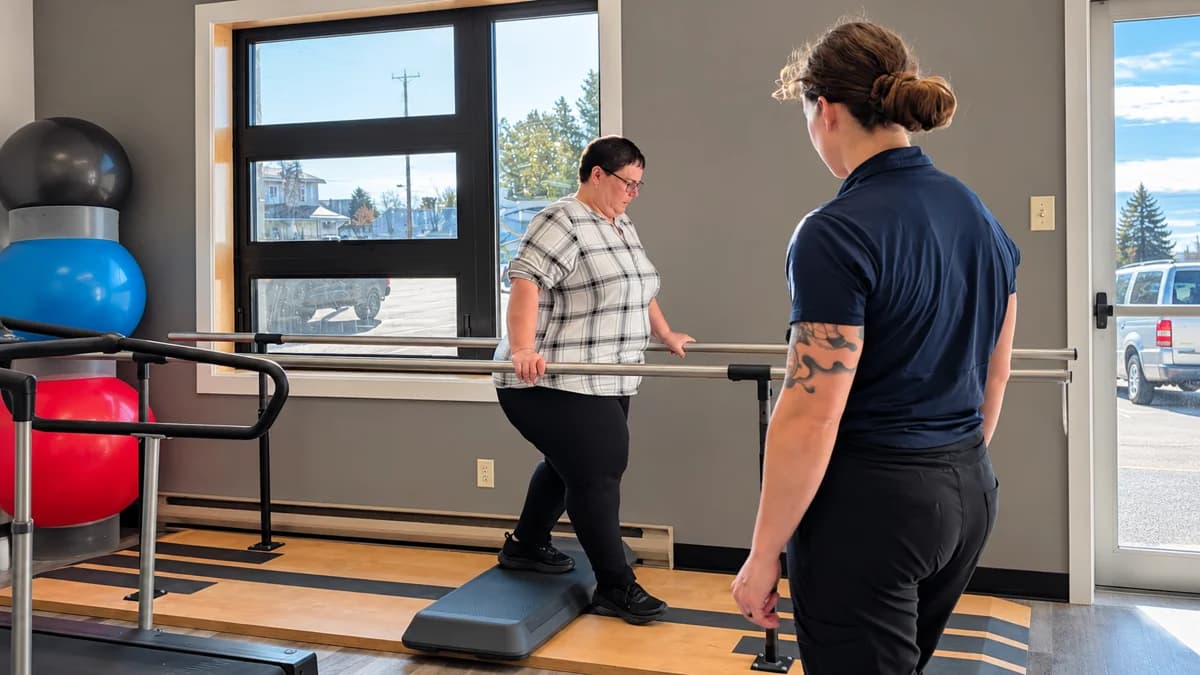
Early management is an important part of concussion recovery. We encourage you not to wait until symptoms become persistent before reaching out. Physiotherapy can provide guidance early in your recovery and help you safely return to work, school, exercise, sports and everyday activities.
Read more
Our physiotherapists provide individualized concussion assessment and rehabilitation to help you understand your symptoms, identify the areas affected by your concussion and develop a clear plan for recovery.
Comprehensive concussion assessment
A concussion can affect several systems at the same time. Your physiotherapist will assess areas that may be contributing to your symptoms, including your neck, balance, vision and eye movements, vestibular system, and tolerance to physical activity.
Understanding which systems are affected allows us to develop a treatment plan specific to you rather than treating every concussion the same way.
Individualized concussion rehabilitation
Treatment is based on the findings of your assessment and may include:
- Treatment and exercises for the neck
- Vestibular rehabilitation for dizziness and balance problems
- Exercises for vision and eye movements
- Treatment for vertigo when present
- Progressive cardiovascular exercise
- Balance and coordination exercises
- Guidance for returning to work, school, exercise and sport
Your rehabilitation progresses with you as your symptoms and tolerance improve.
Common concussion symptoms
Concussion symptoms vary from person to person and can include headaches, dizziness, nausea, fatigue, feeling foggy, difficulty concentrating or remembering, sensitivity to light or noise, blurred or double vision, balance problems, sleep changes, anxiety, irritability and changes in mood.
You don't need to wait for symptoms to become persistent before seeking help. An early physiotherapy concussion assessment can help you understand what you're experiencing and provide guidance for the next steps in your recovery.
Vestibular Rehabilitation
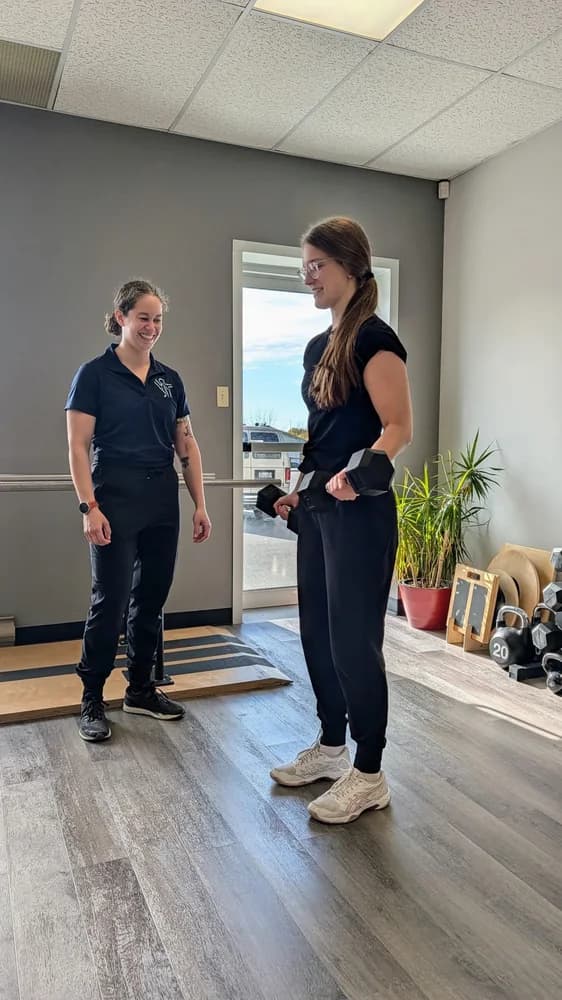
Vestibular rehabilitation is a specialized area of physiotherapy for people experiencing dizziness, vertigo, balance problems or a feeling of unsteadiness. These symptoms can occur when the inner ear and the systems that help your brain control balance and spatial orientation are not working together as they should.
Read more
Conditions we treat
Vestibular physiotherapy can help with conditions such as:
- Benign Paroxysmal Positional Vertigo (BPPV)
- Vestibular neuritis
- Labyrinthitis
- Ménière's disease
- Vestibular symptoms following a concussion
- Dizziness and balance problems
Comprehensive vestibular assessment
Your physiotherapist will ask about your symptoms, when they occur and what triggers them. Your assessment may include testing your eye movements, balance, walking, head movements and different positions to help determine what may be contributing to your dizziness or vertigo.
Treatment tailored to the cause
Treatment depends on what is causing your symptoms. One of the most common causes of vertigo is Benign Paroxysmal Positional Vertigo (BPPV), sometimes described as having “crystals in the inner ear.” BPPV occurs when tiny calcium crystals in the inner ear become displaced and move into an area where they interfere with the balance system.
If BPPV is identified during your assessment, your physiotherapist can use specific canalith repositioning maneuvers, such as the Epley maneuver, to move these crystals back to where they belong.
For other vestibular conditions, exercises can help retrain the coordination between your eyes, inner ear and brain. Treatment may include gaze-stabilization exercises, balance training, habituation exercises, walking exercises and a personalized home program.
Our goal is to decrease dizziness and vertigo, improve your balance and help you return to your everyday activities with greater confidence.
TMJ / Jaw Physiotherapy
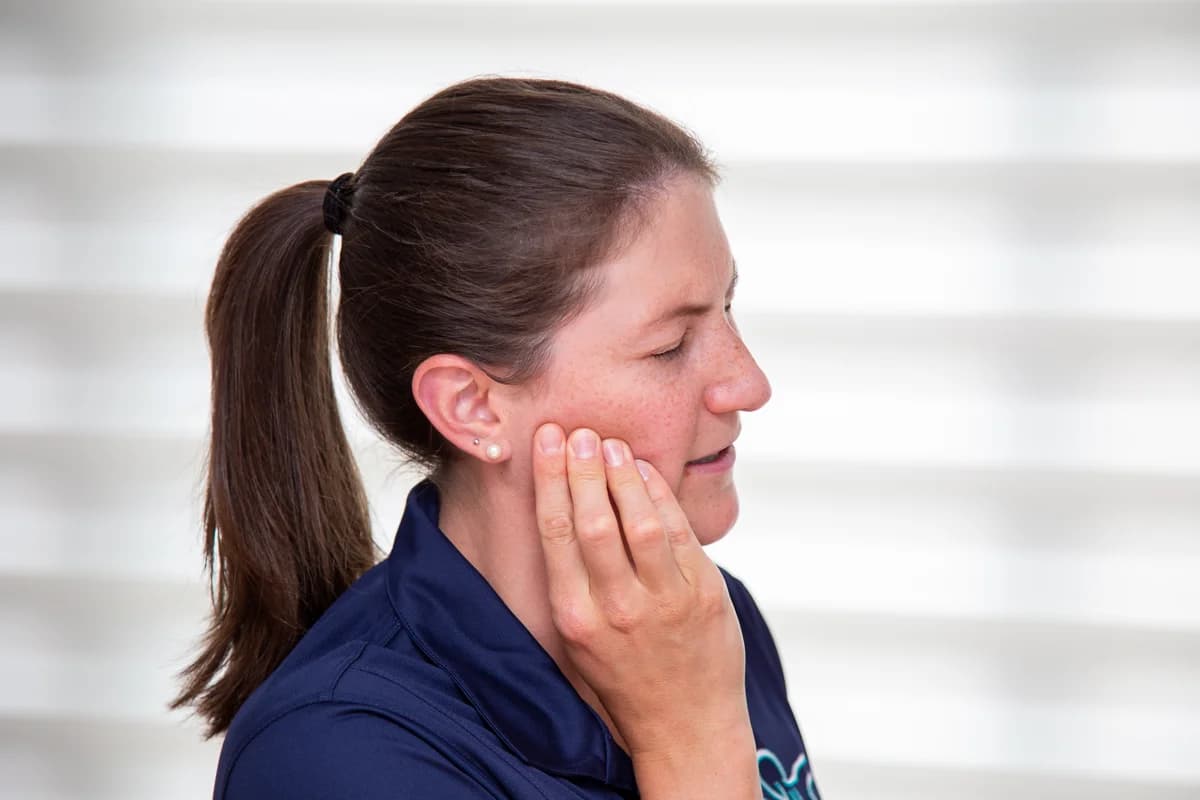
The temporomandibular joints (TMJ) connect your jaw to your skull and are involved in speaking, chewing, swallowing and yawning. Problems involving the jaw joints and surrounding muscles can cause pain, stiffness and difficulty with everyday activities.
Read more
Physiotherapy can help identify what is contributing to your symptoms and improve jaw movement and function.
Common TMJ symptoms
TMJ disorders may cause:
- Jaw or facial pain
- Pain around the ear or temple
- Headaches associated with jaw tension
- Jaw stiffness or limited opening
- Clicking or popping
- Jaw locking
- Difficulty or pain with chewing
- Teeth clenching or grinding
- Neck pain and tension
Assessment and treatment
Your physiotherapist will assess your jaw and neck movement, muscle tension, strength and daily habits that may be contributing to your symptoms.
Treatment may include hands-on techniques for the jaw and surrounding muscles, exercises to improve movement and strength, treatment of associated neck problems, and education about habits and strategies that can reduce strain on the jaw.
Your treatment plan is individualized based on your symptoms and assessment findings.
Sport and Movement
Physiotherapy for Competitive Athletes
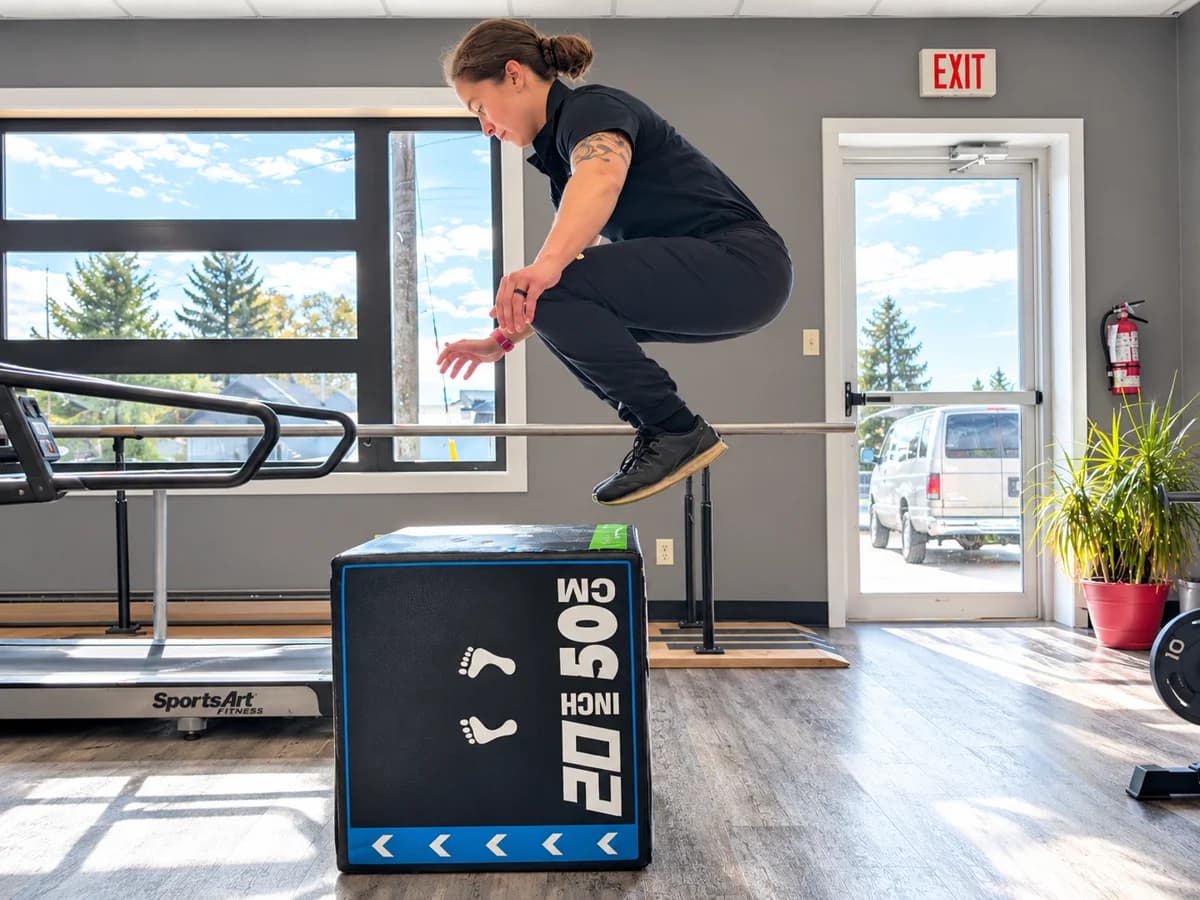
Competitive athletes place significant demands on their bodies. Whether you play hockey, volleyball, ski, run, dance or compete in another sport, physiotherapy can help you manage injuries, maintain your physical capacity and return to your sport safely and confidently.
Read more
Our approach considers not only your injury, but also the specific demands of your sport, your training schedule and your competitive goals.
More than injury rehabilitation
You don't have to wait until an injury keeps you out of your sport to see a physiotherapist. We can work with athletes throughout their season to address pain or recurring problems, identify areas that may benefit from additional strength or mobility, and help manage training demands.
When an injury does occur, rehabilitation progresses beyond simply becoming pain-free. We work toward restoring the strength, power, mobility and control needed for the specific demands of your sport.
Returning to sport
Returning to competition requires more than being comfortable during everyday activities. As rehabilitation progresses, exercises and testing can become increasingly sport-specific to help determine readiness for practices, training and competition.
Our goal is to help athletes stay active whenever safely possible, recover from injury and build the physical capacity and confidence needed to perform their sport.
Have questions?
Are you wondering whether physiotherapy could complement your training or help you manage an injury while continuing your sport? Send us an email and we'll be happy to discuss how we can help.
Dance Physiotherapy & Prehabilitation
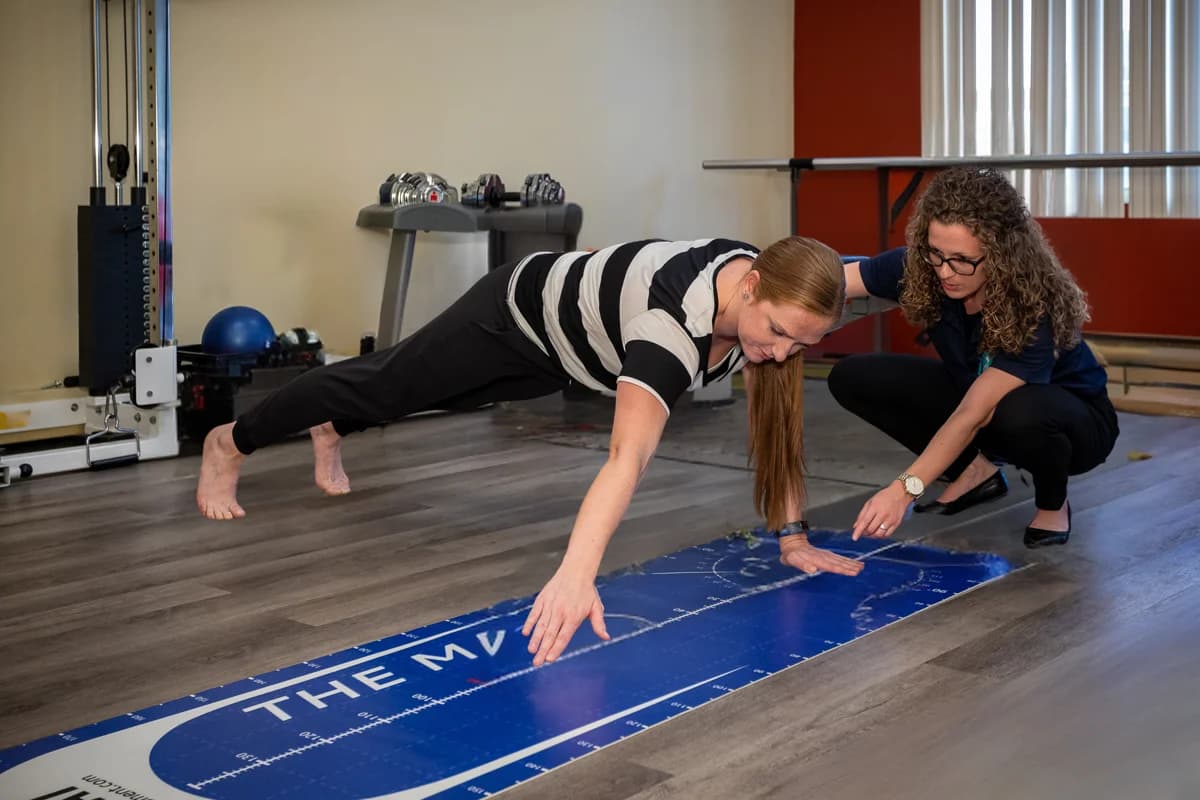
Dance places unique demands on a young athlete's strength, flexibility, balance and movement control. Our Dance Prehabilitation Program, led by physiotherapist Myriam Pelletier, is designed specifically for children and teens who dance.
Read more
Whether your dancer wants to improve their physical readiness, prepare for the demands of dance or is dealing with an injury, physiotherapy can help them dance with greater strength and confidence.
Individual dance assessment
Each dancer begins with an individual physiotherapy assessment. Myriam uses the MAT (Movement Assessment Tool) along with dance-specific movements to evaluate areas such as mobility, strength, balance, control and movement patterns.
The goal is to identify each dancer's individual strengths as well as areas that may benefit from additional training.
Dance prehabilitation program
Following the individual assessment, dancers participate in group sessions designed around the physical demands of dance.
Exercises are selected based on the needs identified during the assessments and focus on developing strength, control, balance and physical capacity. The program helps young dancers better prepare their bodies for the demands of training, rehearsals and performances.
Injured dancers are welcome
You don't have to be injury-free to participate. Dancers experiencing pain or recovering from an injury can also be assessed and treated, with rehabilitation adapted to the specific demands of dance.
Our goal is to help young dancers build strong foundations, manage injuries when they occur and continue doing what they love.
Have questions?
Want to know if the Dance Prehabilitation Program is right for your child or teen? Send us an email and our team will be happy to answer your questions and provide information about upcoming sessions.
Personal Training
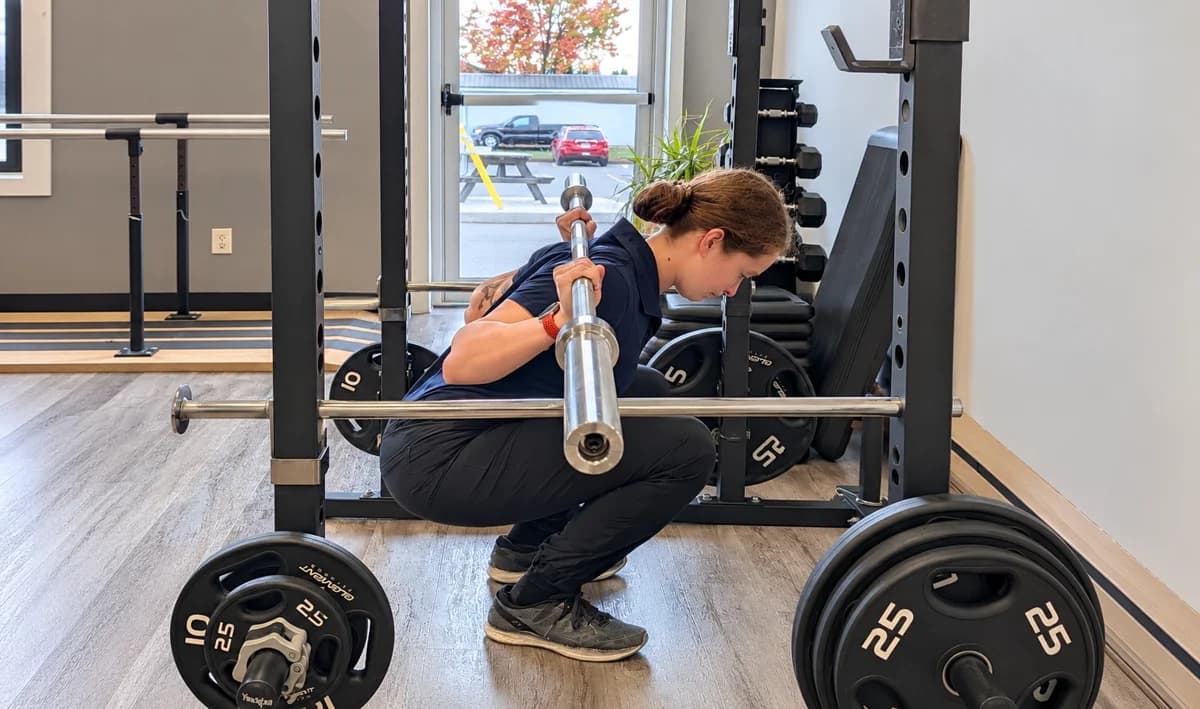
Personal training at Physio Plantagenet offers individualized exercise programs designed around your goals, fitness level and abilities. Whether you're new to exercise, looking to become stronger or ready to progress beyond rehabilitation, your program is built for you.
Read more
Training tailored to your goals
Your trainer develops a personalized exercise program based on what you want to achieve. Sessions may focus on:
- Strength and conditioning
- Balance and coordination
- Mobility and flexibility
- Functional movement
- Cardiovascular fitness
- Returning to exercise after an injury
- Building confidence in the gym
Your program progresses as your strength, fitness and confidence improve.
From rehabilitation to fitness
Returning to regular exercise after an injury can sometimes feel intimidating. Personal training can help bridge the gap between physiotherapy and independent exercise by progressively rebuilding strength, capacity and confidence.
When appropriate, your trainer can also collaborate with your physiotherapist to help ensure a smooth transition from rehabilitation to fitness.
Individualized coaching
Your trainer provides one-on-one guidance, monitors your technique and progress, and adjusts your exercises to your abilities and goals.
Whether you want to get stronger, become more active or feel more confident exercising, we'll help you build a program that is realistic and sustainable.
Massage Therapy
Massage Therapy
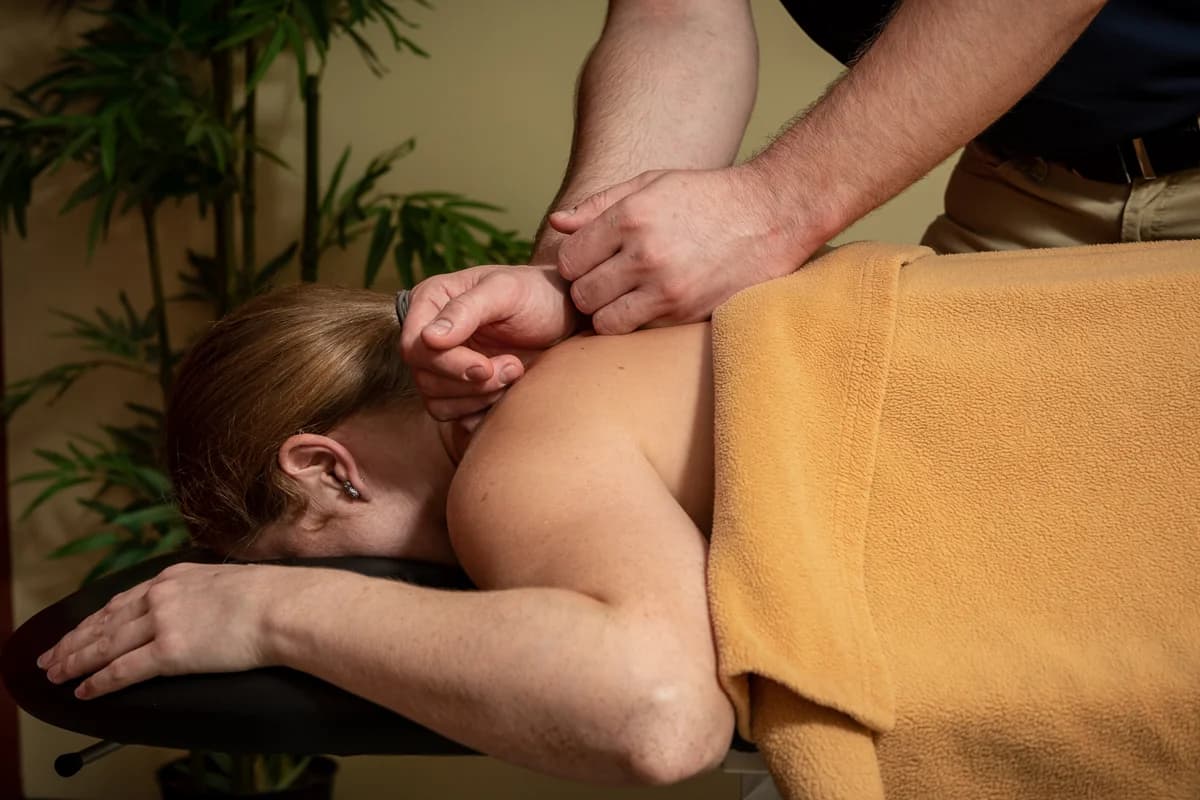
Massage therapy can help reduce muscle tension and discomfort, support recovery and relaxation, and improve your overall sense of well-being. At Physio Plantagenet, each treatment is adapted to your individual needs, preferences and goals.
Read more
Treatment tailored to you
Whether you're looking to manage muscle tension, recover from physical activity or simply take time to relax, your Registered Massage Therapist (RMT) will adjust the techniques and pressure to suit you.
Massage therapy may include:
- Therapeutic and Swedish massage
- Relaxation massage
- Sports massage and recovery
- Treatment for muscle tension and discomfort
- Pregnancy massage
- Neuromuscular and trigger point techniques
Pregnancy massage
Massage therapy can also provide comfort during pregnancy. Treatment and positioning are adapted as your body changes and may help with muscle tension, back or hip discomfort, and general relaxation.
Registered Massage Therapy
Our massage therapists are Registered Massage Therapists (RMTs) with the College of Massage Therapists of Ontario (CMTO) and provide care according to Ontario's professional standards.
Whether your goal is recovery, symptom relief or relaxation, your massage therapist will work with you to provide a comfortable treatment experience tailored to your needs.
Mobility and Supportive Products
Assistive Devices Assessment
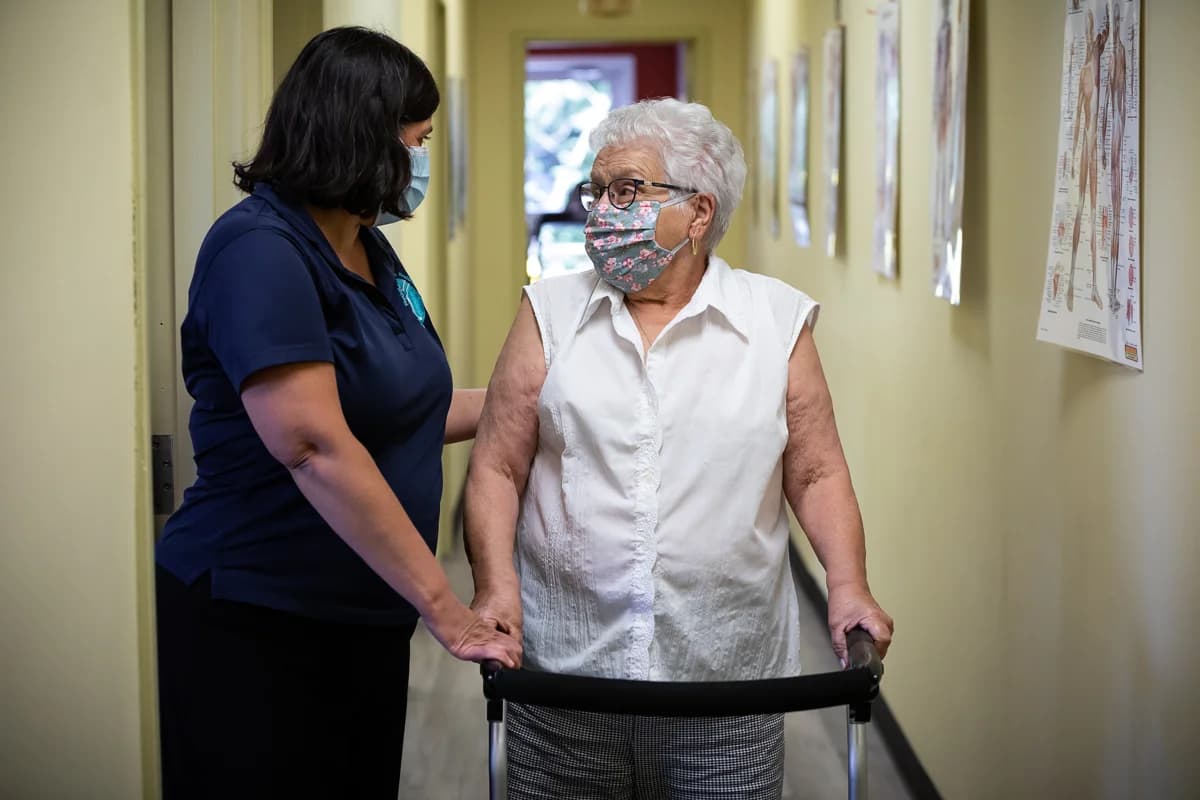
If you need a walking aid, our physiotherapists can assess your mobility and help determine which device is most appropriate for your needs and safety.
Read more
Assessment and prescription
Your physiotherapist will assess your walking, balance, strength and mobility and may recommend equipment such as a:
- Walker
- Cane
- Forearm crutches
- Other appropriate mobility aid
We will also make sure your device is properly adjusted and teach you how to use it safely.
Ontario Assistive Devices Program (ADP)
Physio Plantagenet can provide assessments and prescriptions for eligible mobility devices through Ontario's Assistive Devices Program (ADP). If you qualify, the program may cover a portion of the cost of an approved device.
Your physiotherapist will guide you through the assessment and required documentation. Approved equipment is purchased through an ADP-authorized vendor.
If you are planning to apply for ADP funding, contact us for an assessment before purchasing your mobility device, as funding requirements must be completed before the purchase.
Compression Stockings
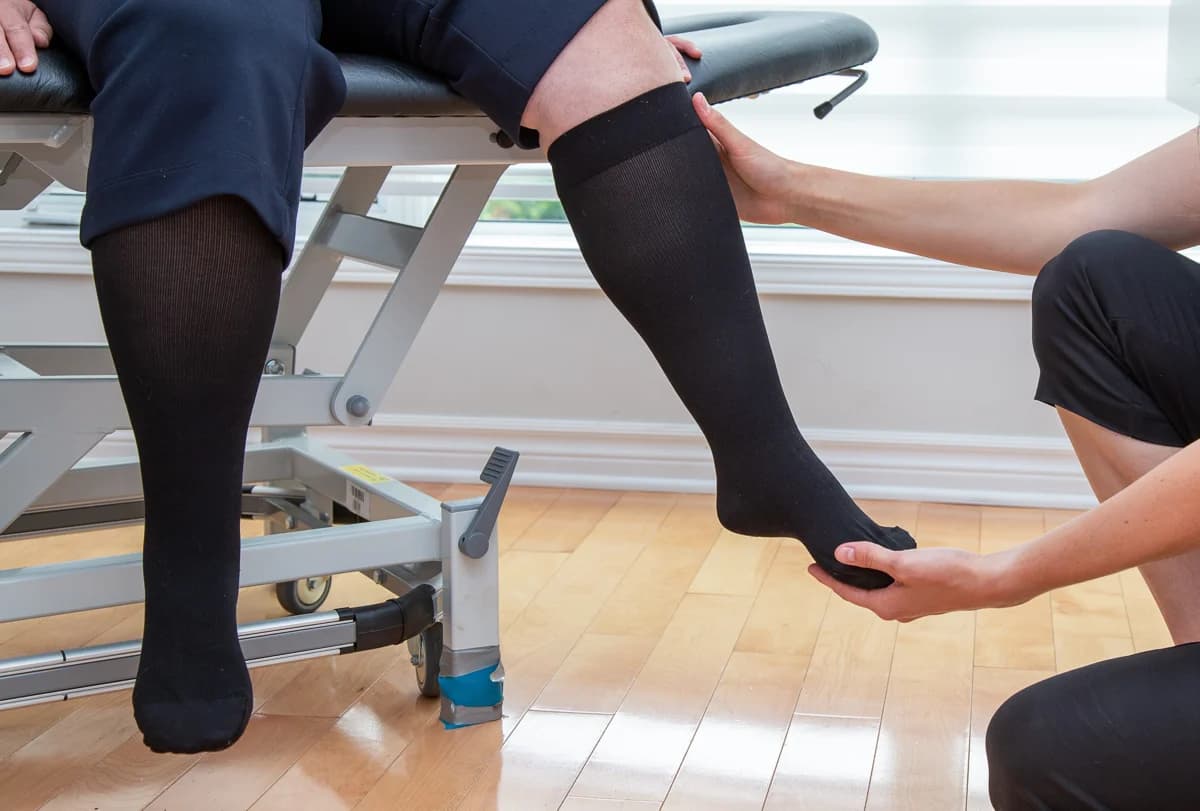
Physio Plantagenet is a certified fitter and provider of SIGVARIS compression stockings. Properly fitted compression garments can help improve circulation, manage swelling and provide comfortable support for your legs.
Read more
Compression stocking fitting appointments are free. You only pay for the stockings you choose to order.
Professional fitting
The right compression stocking depends on more than just your shoe size. We take detailed measurements and help you select the appropriate compression level, size, style and fit based on your needs.
Compression stockings may be recommended for:
- Leg and ankle swelling
- Varicose veins
- Venous insufficiency and circulation problems
- Pregnancy-related swelling
- Lymphedema
- Recovery following certain surgeries or medical procedures
- Tired or heavy legs
Finding the right stocking for you
Compression stockings are available in a variety of styles, lengths and colours. During your free fitting appointment, we'll take your measurements, discuss your needs and help you choose an option that provides the appropriate support while fitting comfortably into your everyday life.
If compression has been recommended by your physician or another healthcare provider, bring your prescription or recommendations with you to your appointment.
There is no charge for the fitting or consultation—you only pay for the compression stockings you order.
Custom Orthotics
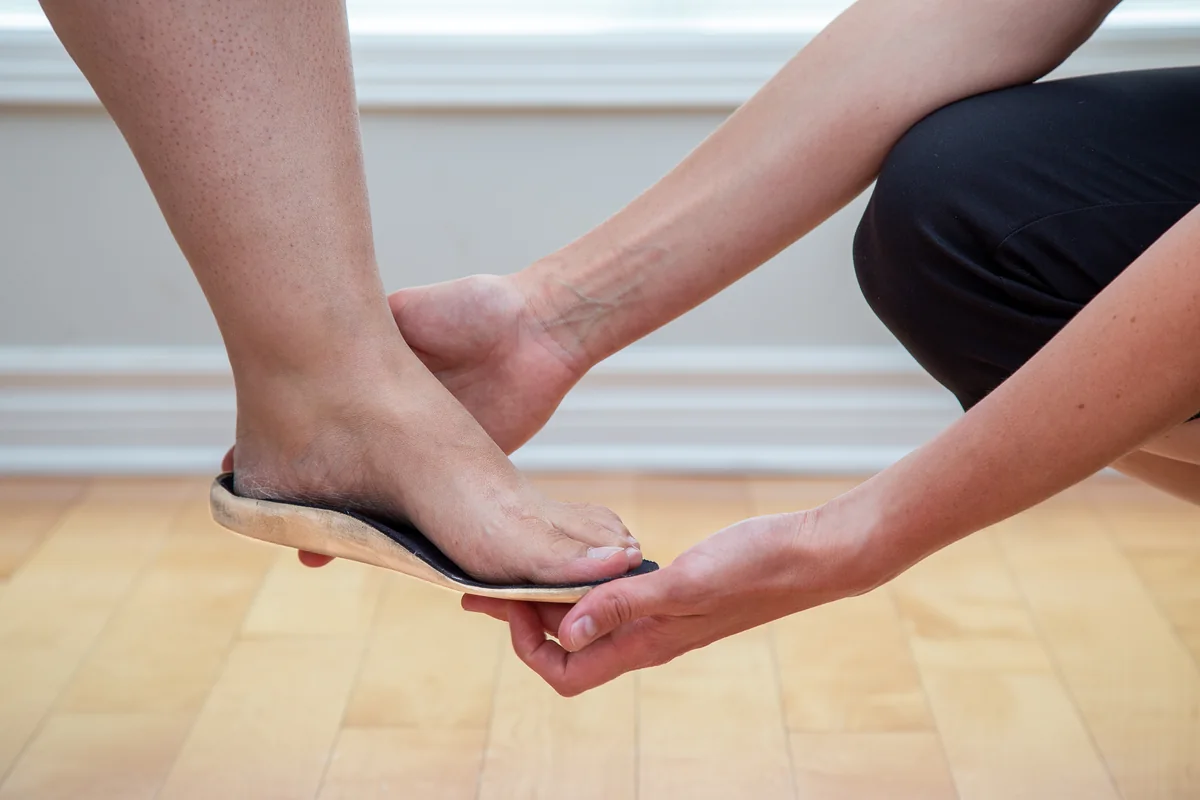
Custom orthotics are individually designed shoe inserts that can help support the foot and influence how forces are distributed when you stand, walk or run.
Read more
At Physio Plantagenet, your physiotherapist first completes a detailed assessment to determine whether custom orthotics are appropriate for your symptoms, activities and goals. Our custom orthotics are manufactured by The Orthotic Group (TOG).
Comprehensive assessment
Your assessment considers your:
- Foot and ankle mobility
- Strength and flexibility
- Posture and alignment
- Walking and running pattern when appropriate
- Footwear
- Daily, work and recreational activities
- Symptoms and treatment goals
Orthotics may be recommended as one part of your overall treatment plan when additional support or changes in how your foot is loaded may be beneficial.
Custom-made for you
If orthotics are recommended, a precise impression of your feet is taken and sent to The Orthotic Group (TOG), where your orthotics are custom-made based on your assessment and prescription.
Different designs and materials are available depending on your footwear and activities, including everyday use, work and sports.
Fitting and follow-up
When your orthotics arrive, we'll make sure they fit properly and explain how to gradually get used to wearing them.
Follow-up is available to assess your comfort, fit and response to the orthotics. Minor adjustments that can be completed at the clinic can be made when needed.
Virtual Care
Telehealth
Can't make it to the clinic? Virtual physiotherapy allows you to meet one-on-one with a registered physiotherapist by secure video from the comfort of your home.
Read more
Your physiotherapist can assess your concerns, observe movement, provide education and exercises, and guide your rehabilitation. Telehealth can be particularly useful for follow-ups, exercise progression, situations where travel is difficult, or when you simply need guidance from your physiotherapist.
Virtual and in-person appointments can also be combined when appropriate.